
Mudras
Asanas
Pranayama
Hearing Wellness
NOTE: Request the reader to follow following information
- Visit your medical expert or yoga instructor prior to trying out any of the asanas or mudras.
- Have a comprehensive evaluation done, and if your expert advises that the following mudras/asanas can be beneficial, then practice them according to their advice.
- For any change in your medical condition, many factors contribute. Hence, practicing any such asanas/mudras does not assure your normal hearing/balance functions.
- It is strongly believed that HOLISTIC approach can facilitate to relieve from medical conditions.
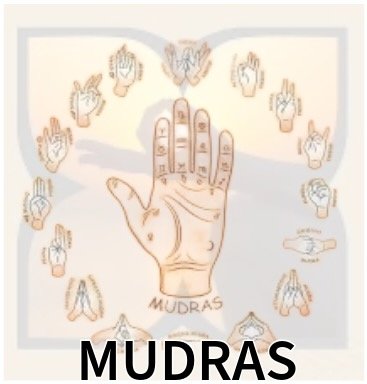
Bandhas and Mudras are advanced techniques linked to pranayama, involving specific psycho-physical postures combined with breath control. It helps increase blood circulation throughout the body, relieves nervousness, and reduces mental dullness. They enable you to balance the three doshas in the body, including Vata, Pitta, and Kapha. Shat-karmas, which are cleansing procedures, aid in removing toxins from the body and are more clinical in nature. Energetic seals, pressure points, and gestures performed alongside pranayama help regulate the flow of energy through the nerve endings at the respective points. As advanced yogic methods, they stabilize the mind and direct pranic energy effectively.
Mudras that are believed to enhance hearing health include Shunya Mudra, Gyan Mudra, and Sanmukhi Mudra. These gestures play a role in balancing and channeling energy to improve overall ear health and auditory function.
Yogic postures enhance blood circulation, thereby helping to preserve neurotransmitter integrity, optimize neural function, and facilitate the elimination of metabolic toxic waste products. Specific asanas preferentially boost blood flow of the head and neck regions, which may reduce muscular tension and psychological stress, with potential secondary benefits for auditory health. Within the yogic framework, asanas are conceived as psycho-physical configurations that cultivate postural steadiness and integration of body and mind, encapsulated in the dictum kuryat tad āsanam sthairyam.
Published literature indicates that practices such as Greeva Chalan, Skandh Chalan, Karnapidasana, Sukshma Vyayama Kriya, Makarasana, Bhujangasana, Matsyasana, Viparita Karani, Balasana, Adho Mukha Svanasana, Trikonasana, and Padangusthasana are associated with improved blood flow to cerebral, auditory, and cervical musculature. From a clinical and rehabilitative perspective, asanas that enhance vascular supply to the upper body and promote postural control may be considered adjunctive strategies for supporting hearing and vestibular health.